
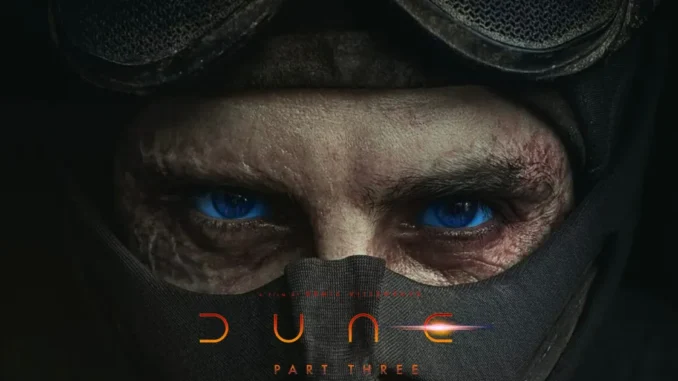
The epic conclusion of the Dune series starts years after the desert crowned him, Paul—Muad’Dib, Emperor, prophet, executioner—sits at the center of a galaxy that has mistaken obedience for faith. His empire stretches across the stars like a bruise, dark and spreading. Every planet bears his mark. Every prayer echoes his name. And every death… belongs to him.
He can see it all. That is the curse.
Visions fracture his mind—futures branching like cracks in glass. In every path, the same truth waits: ruin, written in his own hand. The more he fights it, the more precisely he fulfills it. Power has not freed him. It has locked him inside tomorrow.
Chani feels it slipping. Once a warrior of the open desert, she now walks the suffocating halls of empire, watching the man she loves dissolve into something untouchable. To the galaxy, he is divine. To her, he is becoming a stranger—haunted, distant, and terrifyingly calm. Love cannot reach where prophecy has taken him.
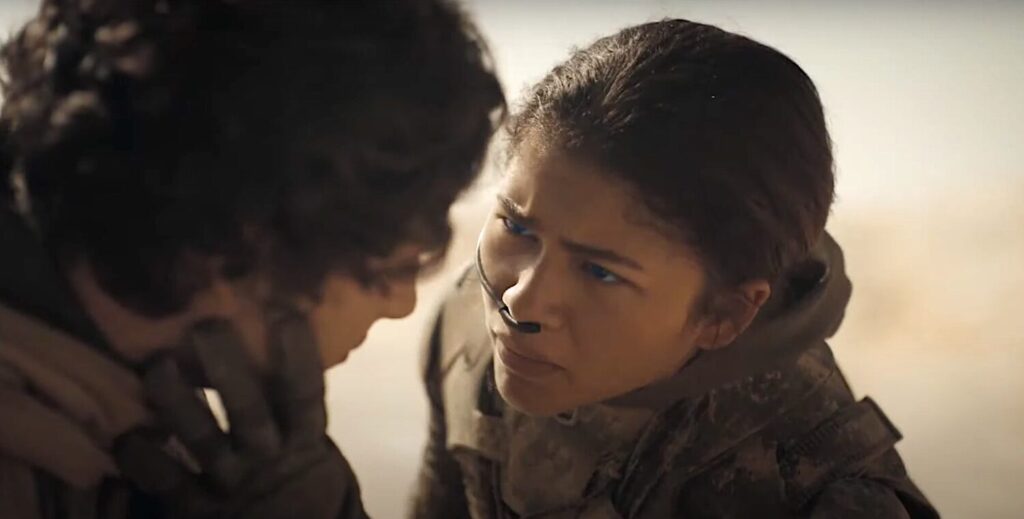
And prophecy is not done.
Princess Irulan writes history as it happens, shaping Paul’s myth even as she questions it. Her words are weapons—quiet, patient, dangerous. Around her, the Bene Gesserit do what they have always done: wait, calculate, breed outcomes like disease. They do not need to destroy Paul. They only need him to continue.
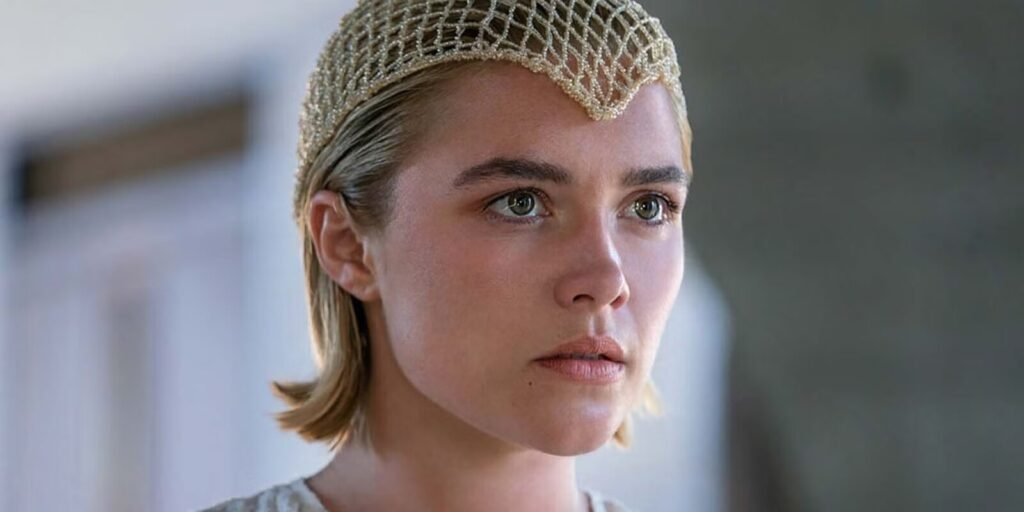
Because even a god can be guided… if you control what comes next.
Duncan Idaho walks again. Flesh reborn, memories fractured, loyalty uncertain—he is no longer the man who died for Paul, but something assembled in his image. A blade disguised as a ghost. A question with no stable answer. In a court built on illusion, he may be the only honest thing left—and the most dangerous.
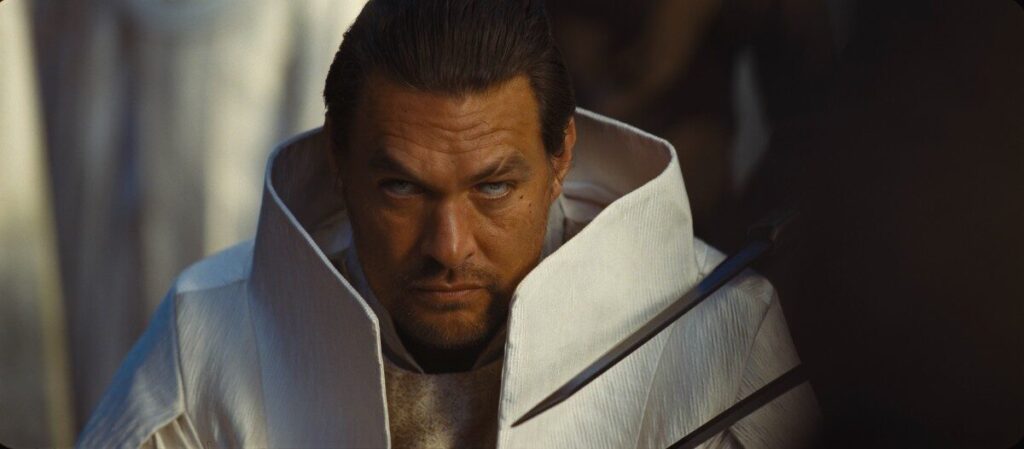
And beyond the throne, the jihad feeds itself.
It no longer needs Paul’s voice. It has become its own hunger.
Fanatics carve his legend into the bones of worlds he has never seen. Entire civilizations burn in his name without his command. The empire is no longer ruled—it is unleashed. What Paul created to survive has outgrown him, and now it watches, waiting for him to fall out of step.
Because even messiahs can be replaced.
And then there are the children. Not yet rulers. Not yet symbols. But already… inevitable. They carry something older than prophecy, heavier than empire. Where Paul sees endings, they may see beyond them—or ensure them.
This is not a war for control.
It is a slow collapse disguised as destiny.
In Dune: Part Three, the question is no longer whether Paul Atreides will lose himself.
It is whether anything human will remain when he does.
You May Also Be Interested In
Gremlins 3 Teaser Trailer
New Movies This Weekend (September 11–13, 2026): Practical Magic 2, The Uprising, Runner & More
Jaw-Dropping Sneak Peek: HBO's Harry Potter Trailer Reveals Hogwarts, Quidditch and More
September 2026's Most Anticipated Horror Movies
New Movies This Weekend (August 28–30, 2026): The Dog Stars, Coyote vs. Acme, Buddy & More
Weekend Box Office August 21-23, 2026: Spider-Man: Brand New Day Holds #1 with $39 Million


